
Elite training centers: what they deliver
Residential programs, national academies, and the tradeoffs of early specialization.
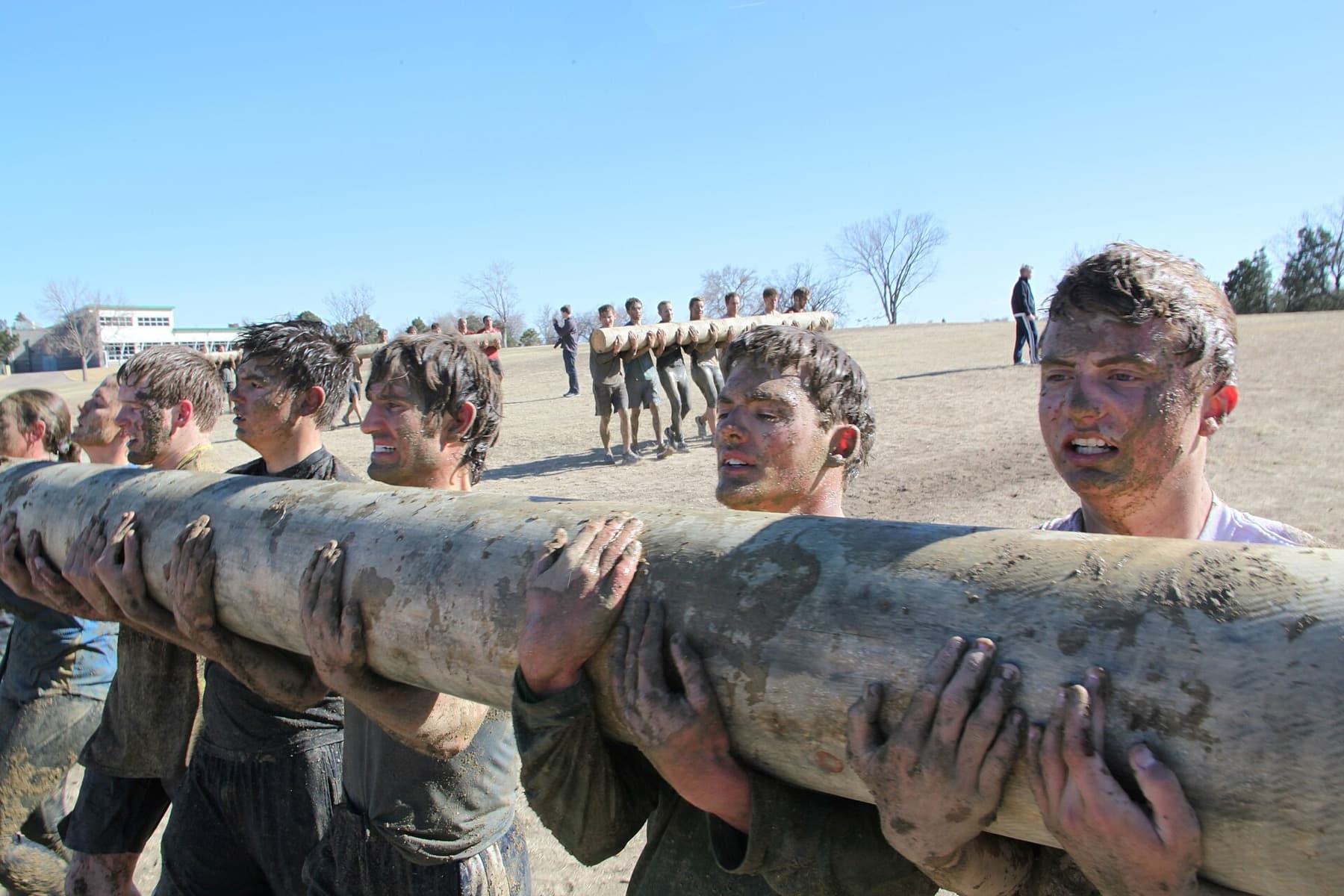
U.S. Olympic sailing athletes undertake team training near the Olympic Training Center in Colorado Springs in March 2012.
Photo: Petty Officer 3rd Class John Lamb, U.S. Navy / Public Domain
An elite training center is a bet that concentrating coaching, peers, recovery, and competition will beat staying home. The U.S. Olympic & Paralympic Training Centers in Colorado Springs and Lake Placid are the American version of that bet: national governing bodies nominate athletes; USOPC Sport Performance approves access; residents can get housing, meals, gyms, strength and conditioning, medical care, and sport-science support under a high-performance plan. The sailing camp near Colorado Springs in our photo is the everyday texture of that system — not a tourist brochure.
What centers actually deliver, when funded, is density. Daily coached sessions, training partners at your level, sports medicine on campus, nutrition and psychology services, and a calendar that does not require a parent to invent logistics every week. For Olympic sports without rich club economies, that density can be the difference between a hobbyist ceiling and a Games pathway. Resident programs often run in year-long or multi-month blocks; off-site athletes may get facility access without dorm life.
What they do not automatically deliver is a medal or a healthy identity. Entry usually depends on NGB priority and funding inside a High Performance Plan — not on a family’s ability to pay a private academy sticker, though some sports still charge when Sport Performance does not cover the stay. Early specialization intensifies: one sport, one campus, one peer group. Injury risk, burnout, and narrow schooling options travel with that intensity. Centers concentrate opportunity and risk in the same zip code.
National academies abroad rhyme with the OPTC model — INSEP in France, AIS heritage in Australia, Chinese provincial sports schools — with different funding politics. Private boarding academies (tennis, soccer, golf) sell a market version of the same promise. Families should separate the product: coached volume and medical support are real; “guaranteed Olympic path” marketing is not. Ask who nominates, who pays, how many weeks away from home, what education looks like, and what happens if the athlete is cut from the resident list.
Use centers as infrastructure, not destiny. They work best for athletes already inside a national pathway who need a high-performance daily environment. They work worst as a last-ditch relocation for a teenager whose only plan is the brochure. The Colorado Springs campus can house the next Olympic cycle. It cannot decide whether that cycle is worth the childhood it costs.