Global GameMulti-sport
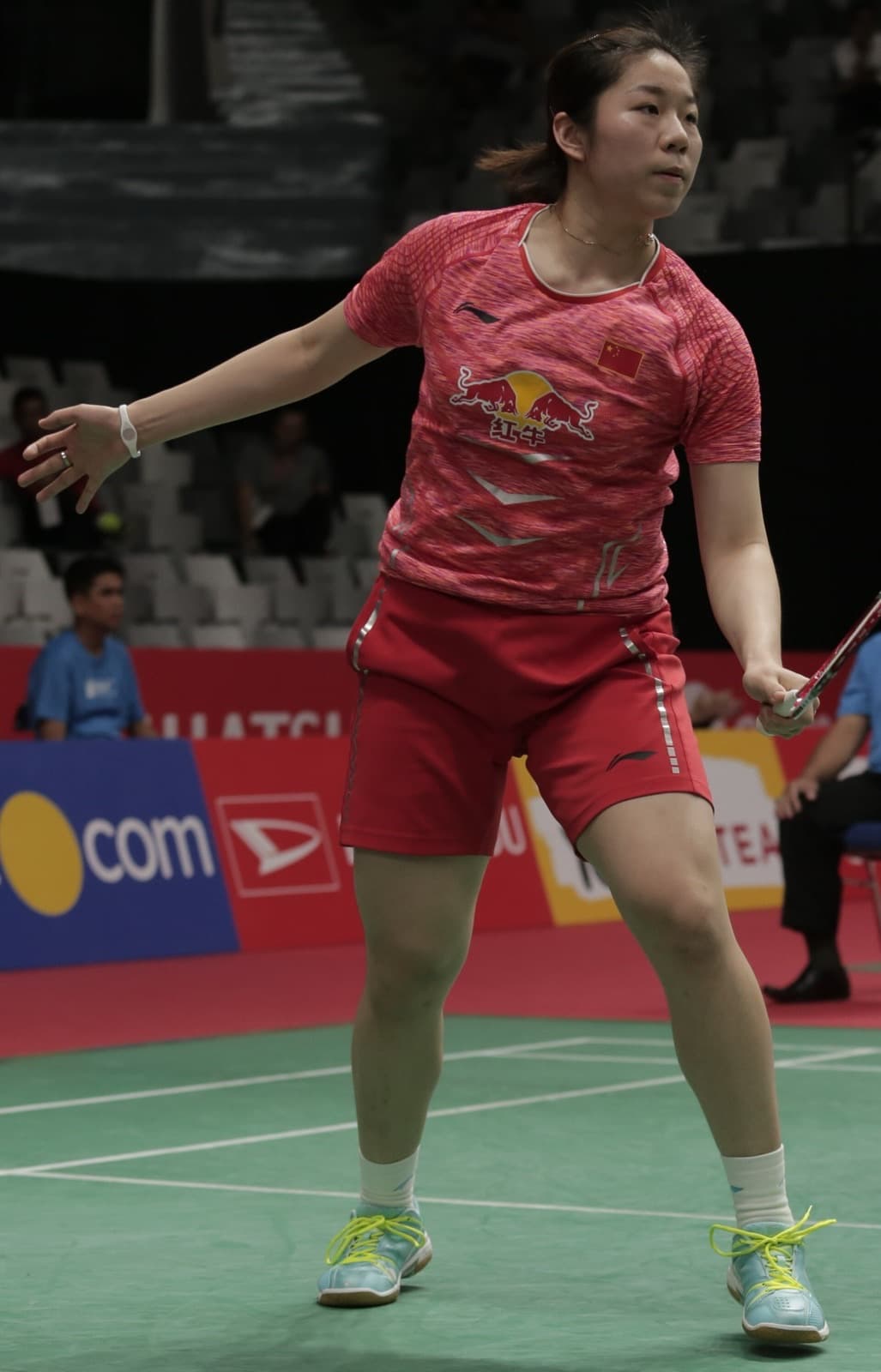
Why Asian women medal so often at the Olympics
They have a better medal record than Asian men, and they do it in the same handful of sports.

Women’s sport, fitness, and strategy
Soccer, cricket, APAC leagues, and international fandom.
They have a better medal record than Asian men, and they do it in the same handful of sports.

From solitary pioneers to more than a hundred players abroad — Japan built youth depth, stepping-stone leagues, and a calendar that finally matches Europe’s transfer windows.
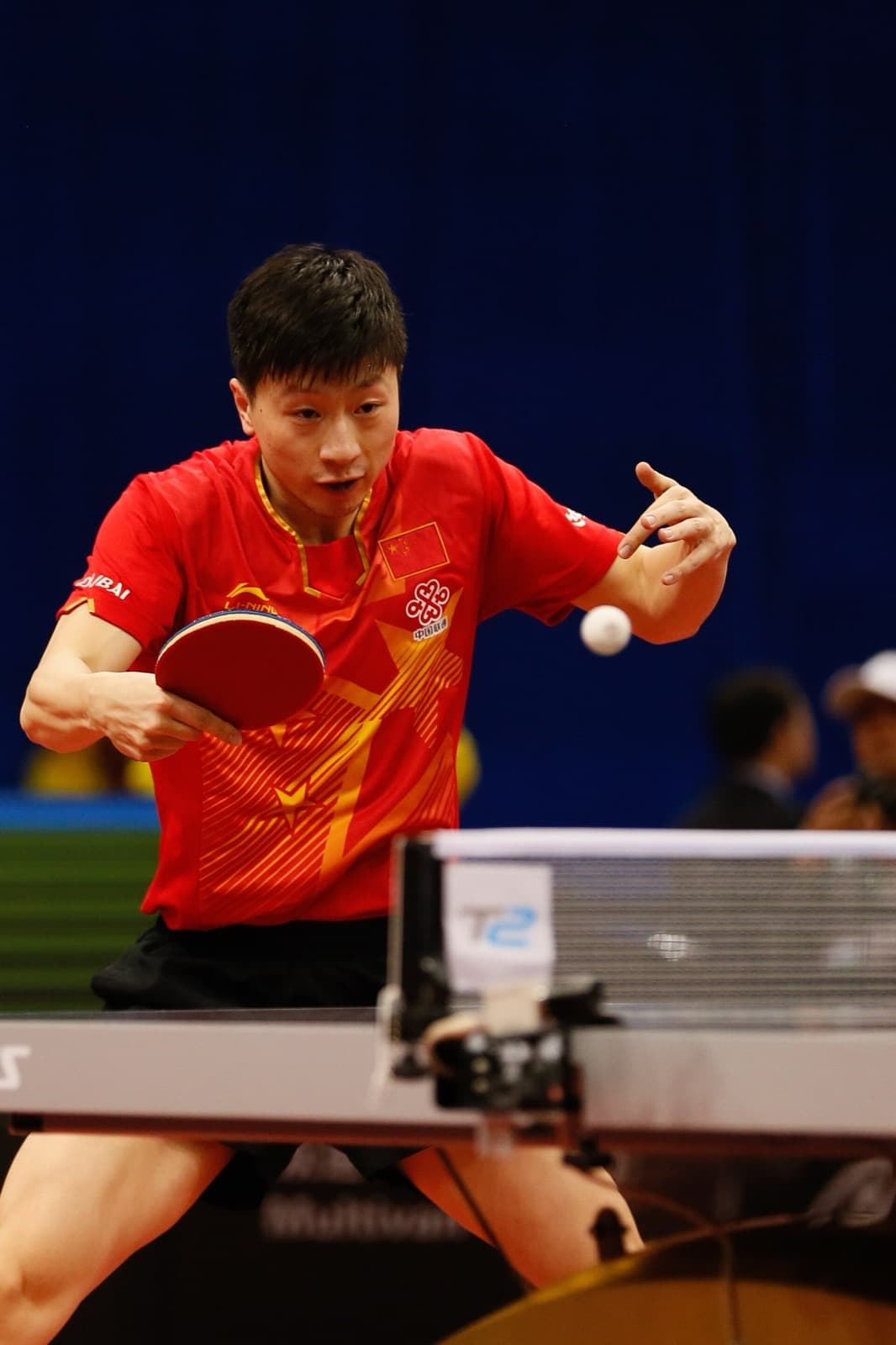
The ITTF’s biggest-in-sport membership map, Olympic gold concentrated in East Asia, and a tour that fills arenas from Chongqing to Montpellier — whether U.S. primetime notices or not.

From Frankfurt 2011 to a third Asian Cup in Sydney — Beleza depth, a professional WE League, and a WSL generation turned a miracle title into a durable machine.

When the ask is Korean or East Asian representation in the NFL, the honest answer is still a short list — and Kyle Hamilton sits at the top of it.
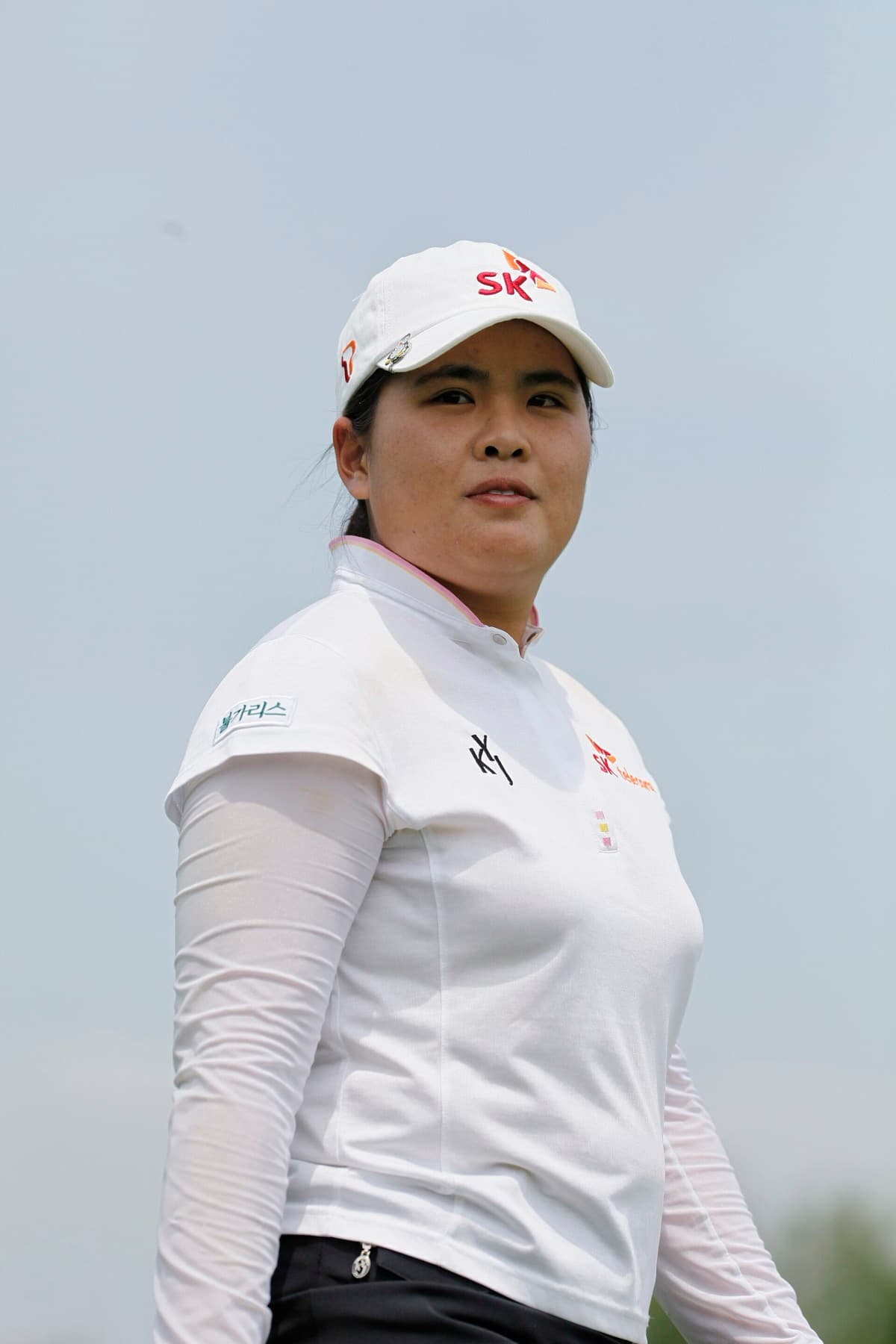
A development system built on volume, coaching infrastructure, and LPGA export economics.
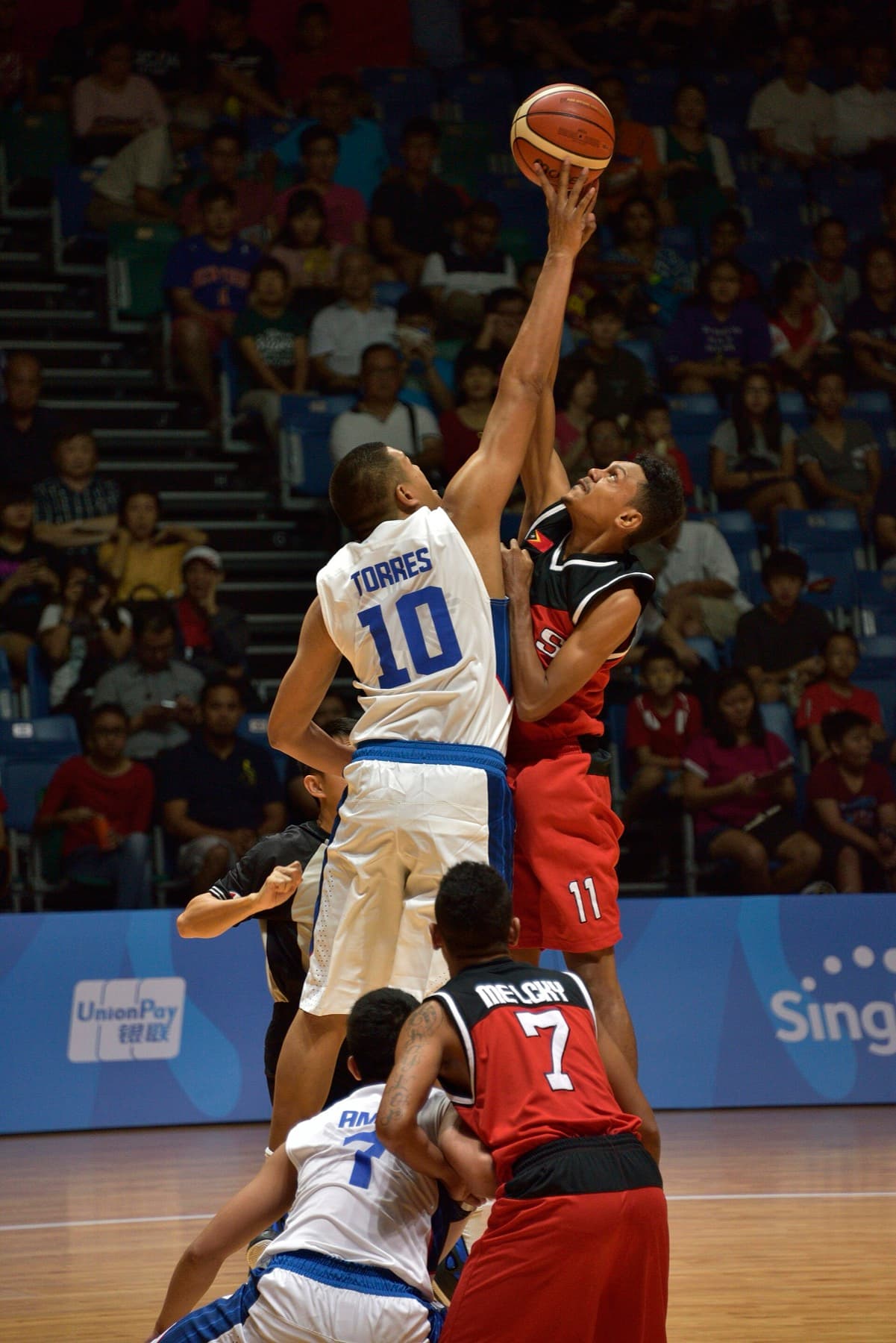
A nation of 115 million treats basketball as civic ritual — and the PBA proves market size is not the only metric.
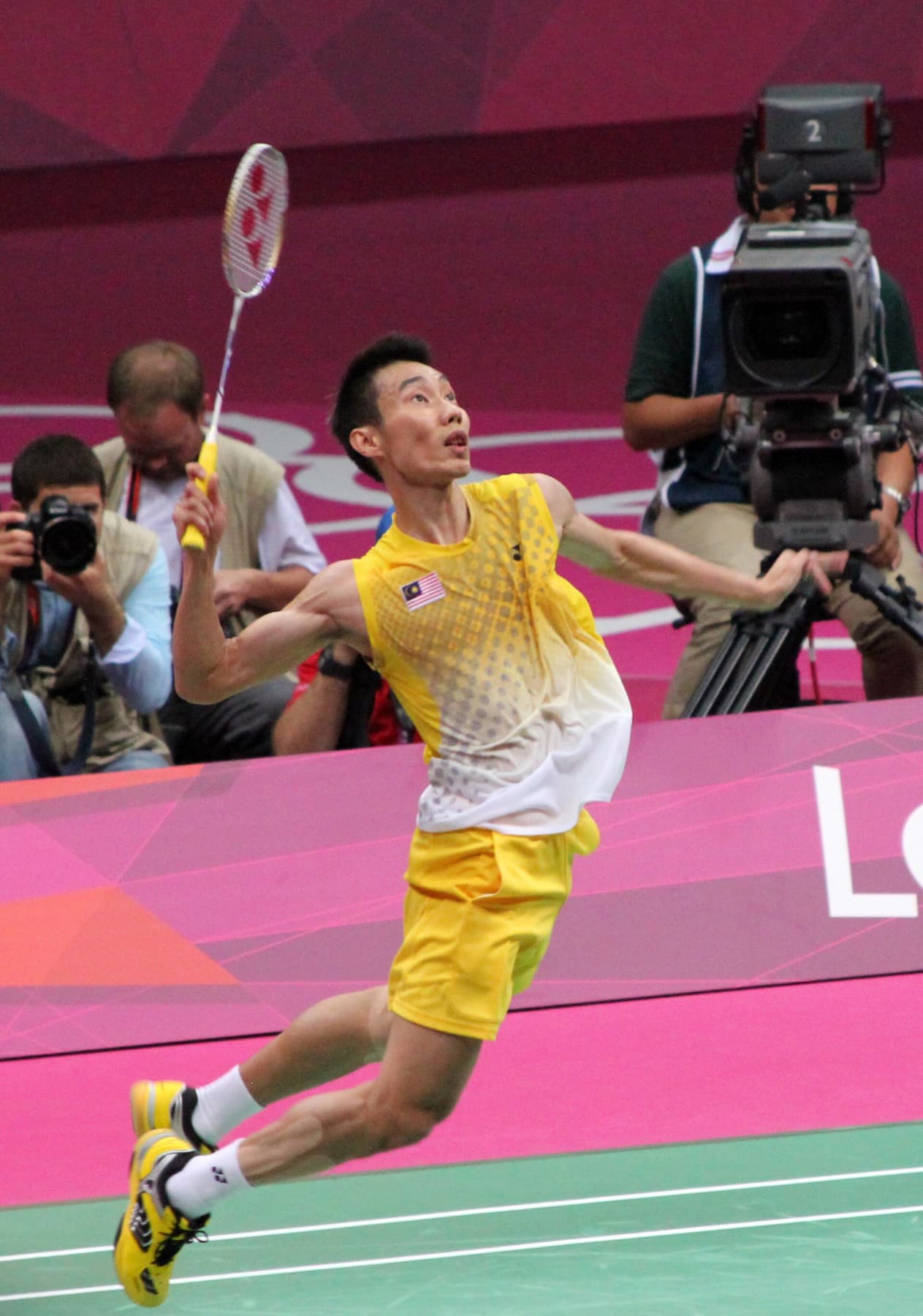
Hundreds of millions of players, Olympic medal depth concentrated in Asia, and a tour calendar that still runs on national systems — not U.S. primetime.
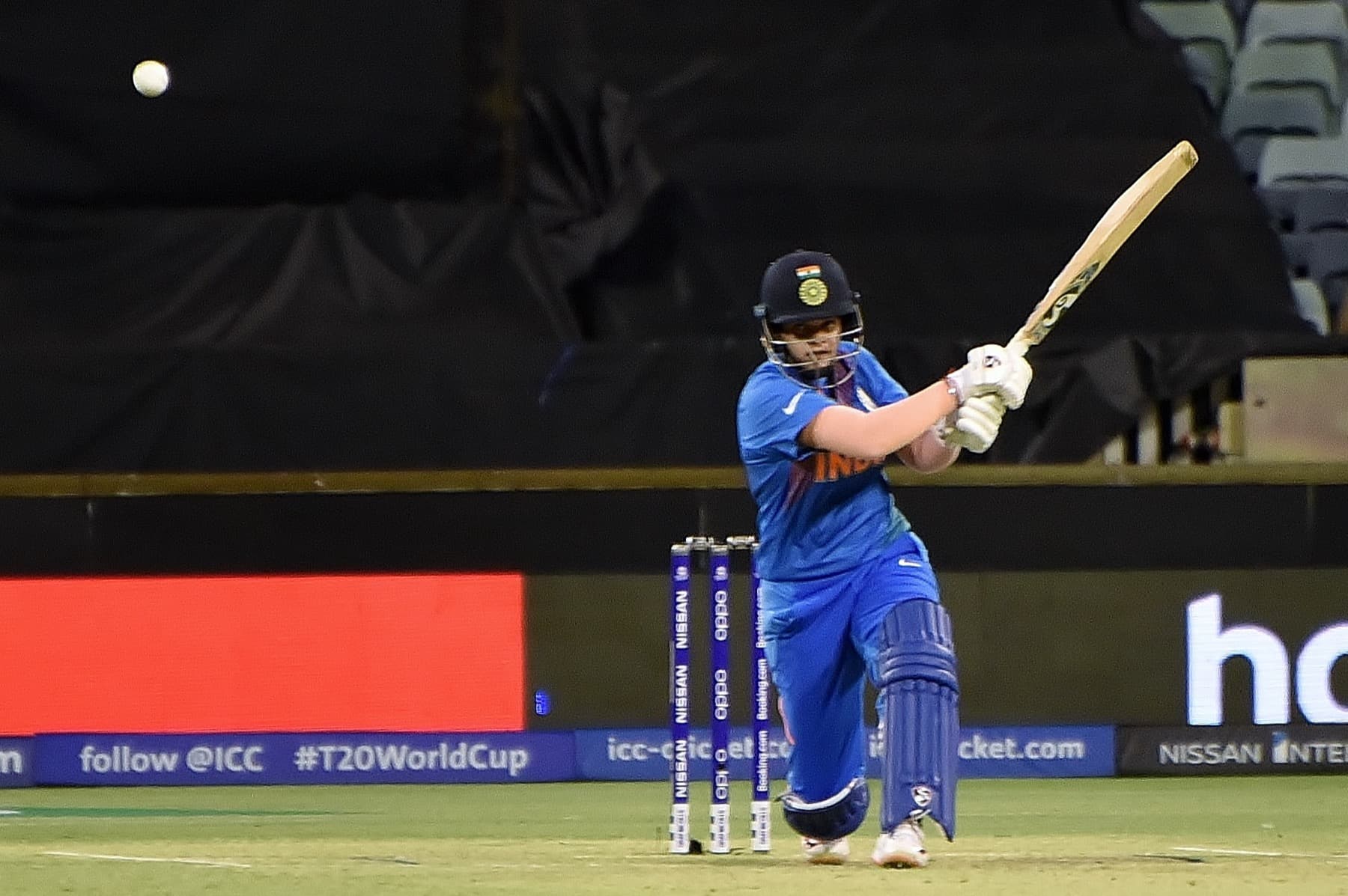
Audience scale, league economics, and diaspora fandom make cricket impossible to ignore in global sport.

Japan built an elite domestic development system; posting rules and modern club infrastructure turned its best players into a repeatable MLB market.