
Filipino basketball and global fandom intensity
A nation of 115 million treats basketball as civic ritual — and the PBA proves market size is not the only metric.
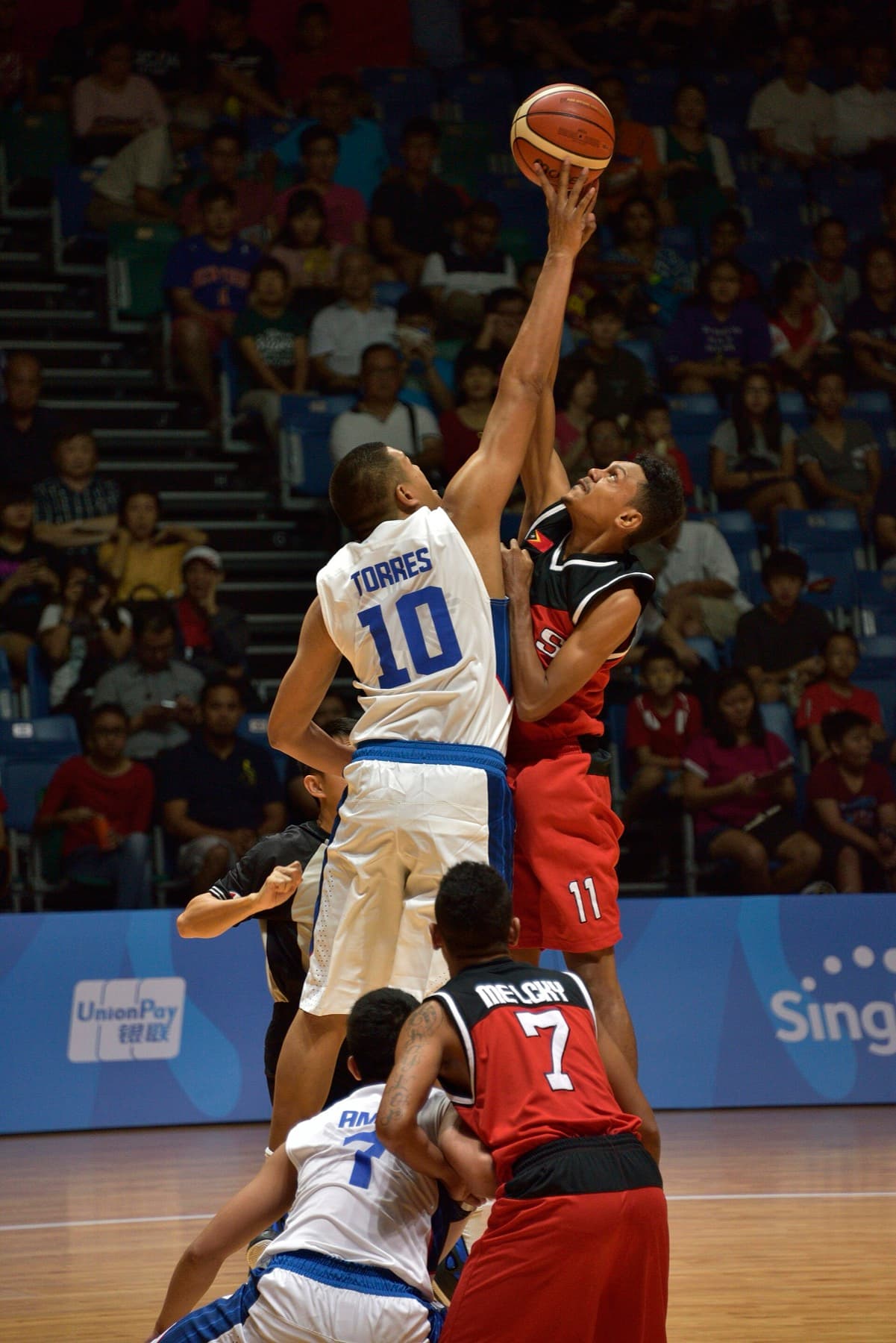
Philippines vs East Timor at the 2015 SEA Games — national-team basketball as civic ritual.
Photo: jhanxg / CC BY-SA 2.0
When Gilas Pilipinas opened the 2023 FIBA Basketball World Cup against the Dominican Republic, 38,115 people filled the Philippine Arena in Bulacan — a World Cup single-game attendance record that beat a 1994 mark set in Toronto. The home side did not need a Finals berth to pack the building. The crowd was the product: a country that treats basketball as shared weather, not niche entertainment.
That intensity is easy to romanticize and harder to price. The Philippines is not a top-ten media-rights market in global basketball economics. It is routinely among the loudest. The useful Medalist question is why passion can outrun GDP — and what leagues, federations, and sponsors should actually learn from it.
Start at street level. Basketball arrived with American colonial schooling and stuck because it needs little more than a flat patch and a rim. Barangay courts, church yards, and covered neighborhood hoops made the game the default childhood sport across classes. College basketball then turned that habit into ritual: Ateneo–La Salle UAAP nights sell out arenas with a social mix that still surprises visiting diplomats and executives. The sport sits in public squares and in elite calendars at once. Few national hobbies manage both.
The Philippine Basketball Association institutionalized the obsession in 1975 as Asia’s first professional league — and still the second-oldest continuously operating pro basketball league after the NBA. Its franchise model is corporate, not city-based: San Miguel, Ginebra, and the rest sell company identity as much as geography. That structure looks odd to North American eyes and perfect for a market where brands already own attention. PBA finals weeks still behave like national holidays. Market size is not the only metric when a domestic league can clear 50,000-plus for a Commissioner's Cup Game 7 at the same Philippine Arena that later hosted World Cup history.
Gilas Pilipinas converts local habit into international theater. SEA Games golds are expected; FIBA windows become appointment TV whether the result is a blowout win or a difficult night. Overseas Filipino workers turn “away” games into temporary home courts — Hong Kong qualifiers have felt like Manila nights because OFW crowds spend hard-earned tickets to make noise. Diaspora pride also attaches to Filipino and Filipino-American figures in the NBA orbit, from Erik Spoelstra’s Heat sideline to naturalized or eligible talent like Jordan Clarkson wearing the flag. The audience does not wait for a deep World Cup run to care. Presence is the bar.
Digital numbers back the arena story. The Philippines has long ranked as the NBA’s largest Facebook following outside the United States, with NBA Philippines itself among the league’s strongest regional pages. Live NBA windows still pull when Manila is waking up or staying up. That is not “emerging market curiosity.” It is a mature, year-round consumption habit that coexists with PBA and UAAP loyalty instead of replacing them.
What travels from this case study? First, density of play spaces and calendar rituals matter more than raw population when you want durable fandom. Second, a credible domestic pro product — even with company teams — can hold attention without needing European club wealth. Third, diaspora and OFW networks are distribution channels, not afterthoughts; they turn qualifiers abroad into brand events. Fourth, international hosting works when the culture already shows up for ordinary Tuesdays. The 2023 World Cup record crowd was decades of barangay and PBA practice, not a two-week marketing campaign.
Filipino basketball will keep producing uneven Gilas results against taller, deeper FIBA powers. That does not weaken the fandom thesis. Intensity here is civic infrastructure: how a nation of roughly 115 million gathers, argues, and recognizes itself. Sponsors chasing Asia sometimes hunt only the biggest TV markets. The Philippines argues for a different spreadsheet — one that counts decibels, diaspora miles, and whether the lights stay on after the anthem.