
College pathways for international athletes
Eligibility Center paperwork, amateurism, recruiting visibility, and the F-1 visa chain behind a U.S. roster spot.
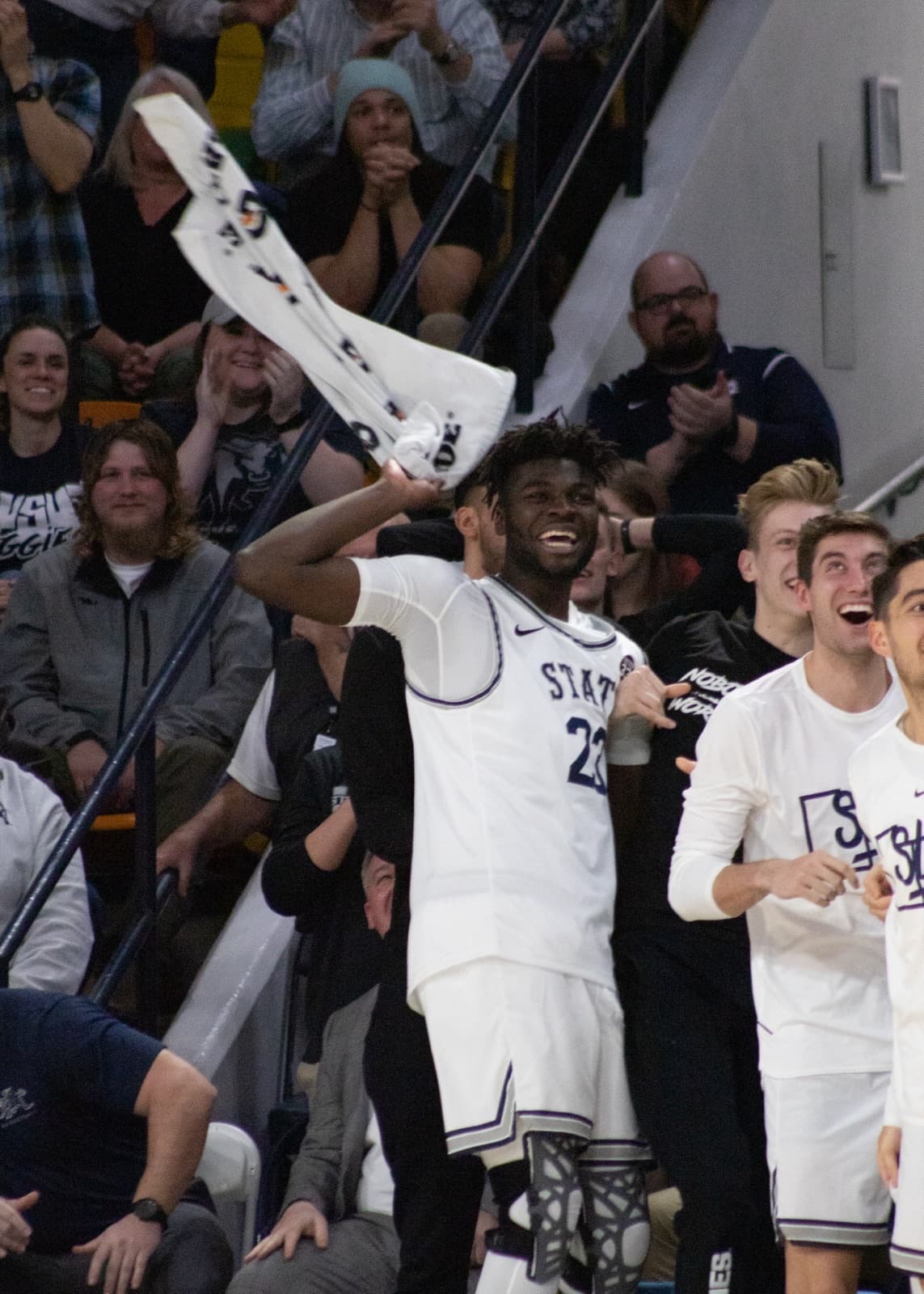
Portugal’s Neemias Queta cheers a Utah State teammate during the Aggies’ February 2020 game against San José State — club Europe to Mountain West to the NBA.
Photo: GrantBess / CC BY-SA 4.0
A U.S. college roster for an international athlete is three admissions processes running at once. The university has to want the student. The NCAA Eligibility Center has to clear academics and amateurism. The U.S. government has to issue a student visa. Miss any one and the scholarship letter is stationery. Portugal’s Neemias Queta — spotted in Europe, developed at Utah State, drafted into the NBA — is proof the path works. The paperwork under it is what families actually navigate.
Start with the Eligibility Center, not the highlight tape. International prospects who want Division I or II must open an Academic and Athletics Certification account (the NCAA’s international FAQ lists a $160 registration fee, with fee waivers in some cases). Division III internationals still need athletics/amateurism certification even when the school sets its own academic bar. Secondary-school records from year nine onward usually go to the Center; documents not in English need certified line-by-line translations. Because education systems differ by country, the NCAA publishes country-specific guidance — France is not the UK is not Brazil — and the International Student Records Committee helps interpret edge cases. Domestic core-course shortcuts do not always map cleanly onto a foreign diploma.
Amateurism is the second gate, and it bites harder overseas. Many international athletes arrive from club systems that pay stipends, sign youth contracts, or place teenagers on senior teams. The Eligibility Center reviews that history before clearing first-year practice, competition, or athletics aid. A coach can love the tape and still lose months if contracts, prize money, or professional registrations were never documented cleanly. Register early, keep contracts and federation paperwork, and tell the truth on the questionnaire. Surprises at certification time are how offers die quietly.
Recruiting visibility is a different market from a U.S. high-school showcase circuit. International athletes are already a large share of some NCAA sports — NCAA Trends data around 2022 put Division I men’s and women’s tennis above 60% international, with men’s soccer and ice hockey also heavily global, while football and baseball stay mostly domestic. Coaches hunt verified competition: national-team age groups, strong club leagues, measurable results, and film that travels. Agents and recruiting services exist; so do scams that charge large upfront fees for vague “exposure.” Legitimate help organizes film, coach lists, and Eligibility Center timing. It does not invent offers. Queta’s Utah State landing began with European scouting contact, not a U.S. AAU weekend — a reminder that pathways are sport-specific.
Admissions still run on the school’s clock. Athletic interest does not waive English-proficiency requirements, financial documentation, or application deadlines. Many universities want TOEFL, IELTS, or an accepted equivalent; others evaluate English through curriculum and interviews. Cost of attendance matters even with athletics aid: partial scholarships are common, and international offices often need proof that remaining tuition, housing, insurance, and fees can be covered before they issue immigration documents. Stack athletic aid with academic awards where rules allow, and price the real gap before celebrating the offer graphic.
The visa chain starts only after admission is real. For most athletes that means an F-1 student visa: the school’s international office issues Form I-20, the athlete pays the SEVIS I-901 fee, completes the DS-160, and interviews at a U.S. embassy or consulate. Timing commonly runs months, not weeks — especially in busy summer windows — and interview wait times vary by country. The legal priority on an F-1 is being a full-time student; athletics is why the school recruited you, not why immigration approved you. Maintain full-time enrollment, keep the passport and signed I-20 in order, and talk to the Designated School Official before travel that could jeopardize status.
Alternate lanes exist when the NCAA timeline or academic match is tight. The NAIA and junior-college routes (including NJCAA) recruit internationals too, sometimes with different eligibility machinery and a clearer two-year transfer bridge into NCAA schools. They are not consolation prizes; for some ages, grades, and sports they are the rational first U.S. step. What they share with the NCAA path is the same immigration logic: admission, funding proof, I-20, visa.
Read the pathway as a project plan. Register with the Eligibility Center while academics are still fixable. Build a document folder — transcripts, translations, club contracts, passport, test scores — before coaches ask. Target schools by division, sport density of internationals, and true cost after aid. Begin visa work the week the deposit clears, not the week preseason starts. Queta’s story ends in the NBA. Most international college careers end in a degree, a professional contract abroad, or a return home with U.S. experience. The successful ones treat eligibility, visibility, and immigration as three equal sports.