
How much protein is actually in your tofu?
Silken, firm, extra-firm, and high-protein packs can sit side by side and still differ by grams. Read the 3-ounce line, then size the block to a training meal.
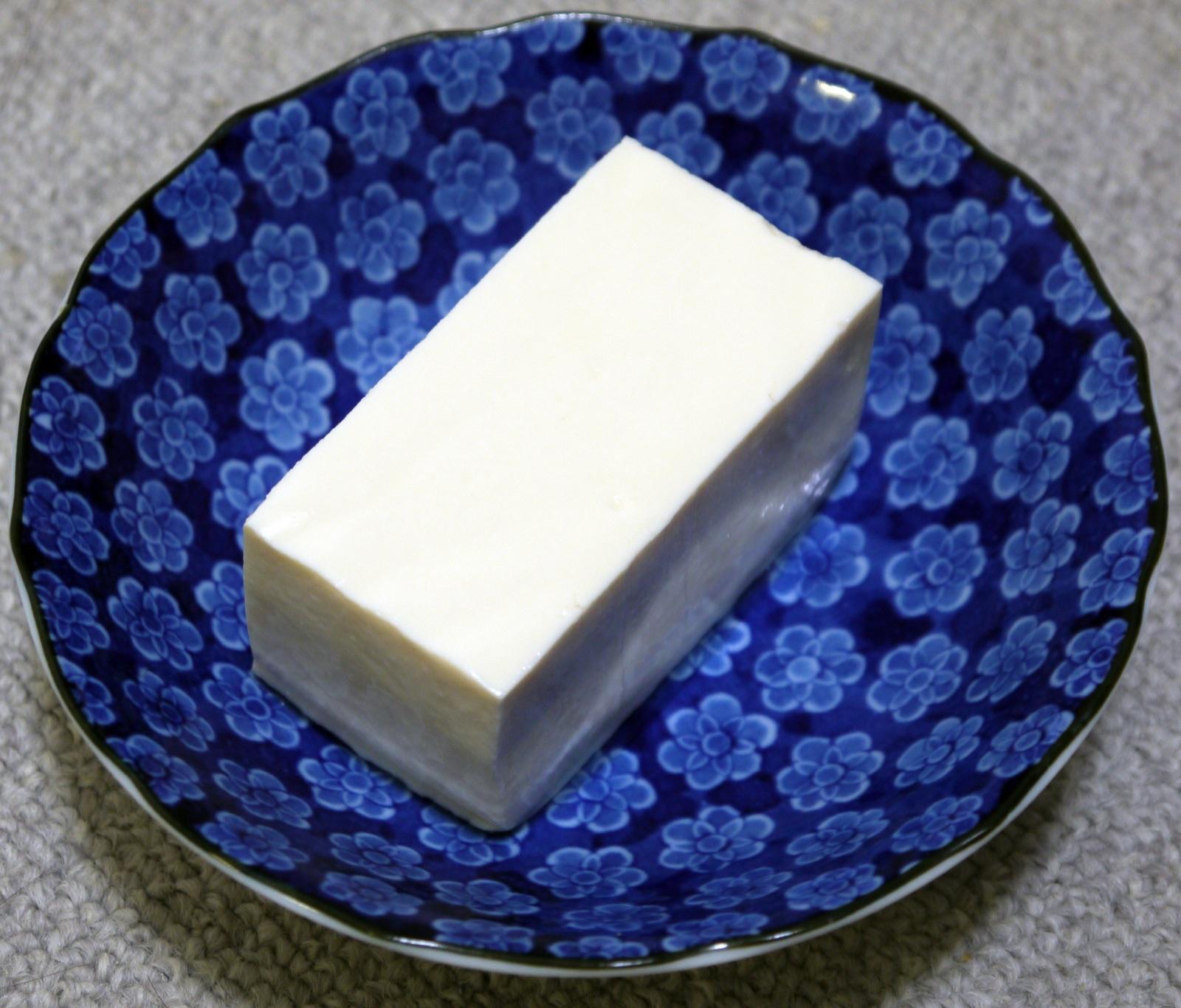
A block of tofu in a bowl. Protein on the label tracks how much water was pressed out and which brand made the pack.
Photo: DryPot
The word on the front of the tofu tub is mostly a texture hint. USDA notes that soft, firm, and extra-firm are not standardized terms between makers, so two “extra firm” packs can land far apart once you flip to Nutrition Facts. For anyone trying to hit a training meal of roughly 20–40 grams of protein — the dose range ISSN uses for high-quality feedings — that gap matters. A small scoop of silken can leave you short. A vacuum-packed high-protein block can cover most of the meal in one serving.
Start with the serving size most American labels use: about 3 ounces, or 85 grams, often listed as a fifth of a 14- to 16-ounce block. Nasoya’s organic silken tofu shows 4 grams of protein on that line. Mori-Nu’s shelf-stable silken extra firm climbs to 7 grams per 3-ounce slice. Nasoya organic firm sits at 8 grams; House Foods premium extra firm also lists 8. Nasoya organic extra firm lists 9. Walk the same aisle with a training meal in mind and the softest pack is giving you less than half the protein of a mainstream extra-firm serving. That is why “I ate tofu” is not useful until you know which tub and how much of it.
Then there is the denser shelf. Hodo’s organic extra firm lists 14 grams of protein per 3-ounce serving and markets the whole package around 48 grams. Wildwood’s organic high-protein tofu lists 14 grams per about 91 grams (a fifth of the pack). Trader Joe’s high-protein organic super-firm tofu lists 14 grams per 3 ounces. Those blocks are pressed harder, so less water dilutes each bite. It is still soy curd — just more of it per ounce — which is why the cubes sear without a long press and why the label jumps.
A realistic plate uses more than the label’s tiny serving. Two 3-ounce scoops of Nasoya extra firm get you near 18 grams before rice and vegetables. Half a typical water-packed block of firm tofu lands closer to 20 grams if the label is in the 8–9 gram range. One 3-ounce serving of Hodo, Wildwood, or Trader Joe’s high-protein tofu gets you to 14 grams, so a second scoop — or eggs, edamame, chicken, or Greek yogurt later in the day — finishes a training-sized hit. Silken still belongs in the kitchen for sauces, smoothies, and soft mapo-style dishes. If the goal is a post-lift meal, plan on most of the box or a second protein beside it.
Soy protein is complete, with all the essential amino acids. In a 12-week resistance-training trial that matched leucine between soy and whey isolates, untrained men and women gained similar lean mass and strength on either supplement. Whole tofu is not a scoop of isolate, so portion size still does the work. Pair the block with rice or noodles when you need carbohydrate around the session, and keep the vegetables you already cook. Tofu for protein, starch for fuel, produce for the rest — the weeknight bowl already knows that shape.
In a real store, ignore the marketing adjective until you read protein per serving and the grams in that serving. If two packs both say extra firm, buy the one whose label matches the meal you will cook. Soft packs are for blending. Firm and extra firm hold up in scrambles and stir-fries. High-protein or super-firm packs give denser cubes with less pressing and more grams per bite. Weigh or eyeball a portion that gets you near 20 grams or more for a training meal, then hit protein again a few hours later.
Labels change, and regional packs can differ, so treat these numbers as a map of today’s aisle. Flip the pack. Count the protein. Size the block to the workout.