
Asia’s men’s tour just changed ladders
The Asian Tour’s new PGA Tour–DP World alliance rebuilds a path toward Europe and the U.S. — and pulls elite Asia golf away from LIV’s International Series ladder.
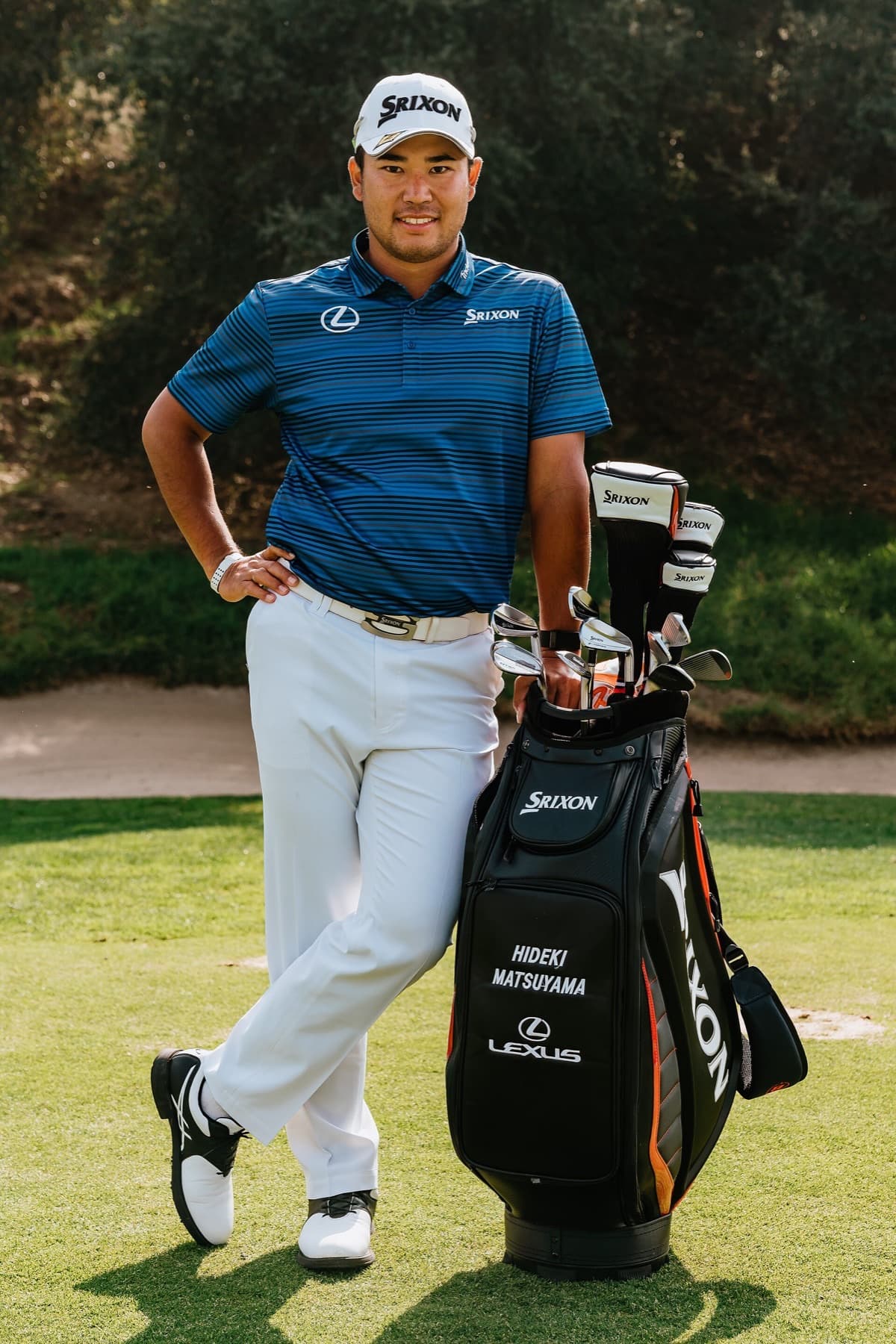
Hideki Matsuyama in Srixon kit on a practice day — Asia’s clearest recent proof that a regional development path can still lead to PGA Tour stardom.
Photo: Srixon/Cleveland Golf / CC BY-SA 4.0
The Asian Tour did not merely add a partner this week. It changed which ladder its best players are meant to climb. On July 21, the tour announced a multi-year alliance with the PGA Tour and DP World Tour that runs through at least 2029. Effective immediately, Asia’s main men’s circuit sits inside the PGA–DP World Strategic Alliance rather than at the edge of LIV Golf’s International Series pathway.
The player math is the point. Starting with the 2027 DP World Tour season, top Asian Tour performers will earn access to the DP World Tour or the HotelPlanner Tour, with exact thresholds due in the fall. From there, the familiar Europe-to-America route remains open: finish high enough in the Race to Dubai and a PGA Tour card follows. CBS Sports noted the practical chain — Asian Tour form to DP World membership to a top-10 Race to Dubai finish — as the clearest reading of what “pathway” now means for a Singapore- or Bangkok-based cardholder.
Tournaments move with the membership. The DP World Tour will resume co-sanctioning selected Asian Tour events in 2027, restoring a relationship that ran from 2016 to 2021 before the Asian Tour’s LIV-backed chapter. Details await the next DP World schedule, but the intent is public: stronger national opens in Asia, more shared fields, and commercial bandwidth the three tours say they could not build alone. PGA Tour international chief Christian Hardy framed it as extending a connected ecosystem; Asian Tour commissioner Cho Minn Thant said the timing was right “to enhance the Asian Tour for our members, fans and partners.”
That sentence lands harder against the previous arrangement. Since 2021 the Asian Tour had been tied to LIV through the International Series — high-purse events that also fed promotion into LIV’s league, including Order of Merit routes that sent top Asian Tour finishers into LIV for 2026. BBC Sport reported that the new PGA–DP World deal surprised LIV and that meetings at The Open at Royal Birkdale helped lock it. Rory McIlroy welcomed the alliance. The International Series may continue as a purse product; what clearly changed is which global system Asia’s governing tour now treats as the main escalator.
For players, the difference is destination, not just prize money. LIV offered a closed, high-cash lane. The DP World–PGA lane offers calendar density, Official World Golf Ranking continuity, and a published route toward the majors and the FedExCup. That is why Cho’s emphasis on pathways matters more than any single co-sanctioned Open. Members who build seasons on the Asian Tour want to know whether winning in Asia still buys a ticket into the tours that decide major fields.
Asia already knows what a completed ladder looks like. Hideki Matsuyama’s Masters win and long PGA Tour career remain the region’s most visible proof that Japanese — and broader Asian — development can produce global stars without waiting for a breakaway circuit. Korean women’s golf, built on junior volume and LPGA export, made a parallel case on the women’s side. The July alliance is an attempt to rebuild that clarity for Asia’s men’s tour after five years of competing incentives.
What still has to be written is the fine print: how many cards, which events, whether International Series weeks conflict with co-sanctioned national opens, and how fast the HotelPlanner feeder absorbs Asian Tour talent. Through 2029, though, the strategic map is no longer ambiguous. Asia’s men’s tour has chosen the PGA–DP World ecosystem as its pathway home — and asked its members to play toward that door.