
Money & Media
Athlete brands: who owns the upside
Endorsements, equity deals, and the agency economics behind marketable athletes.
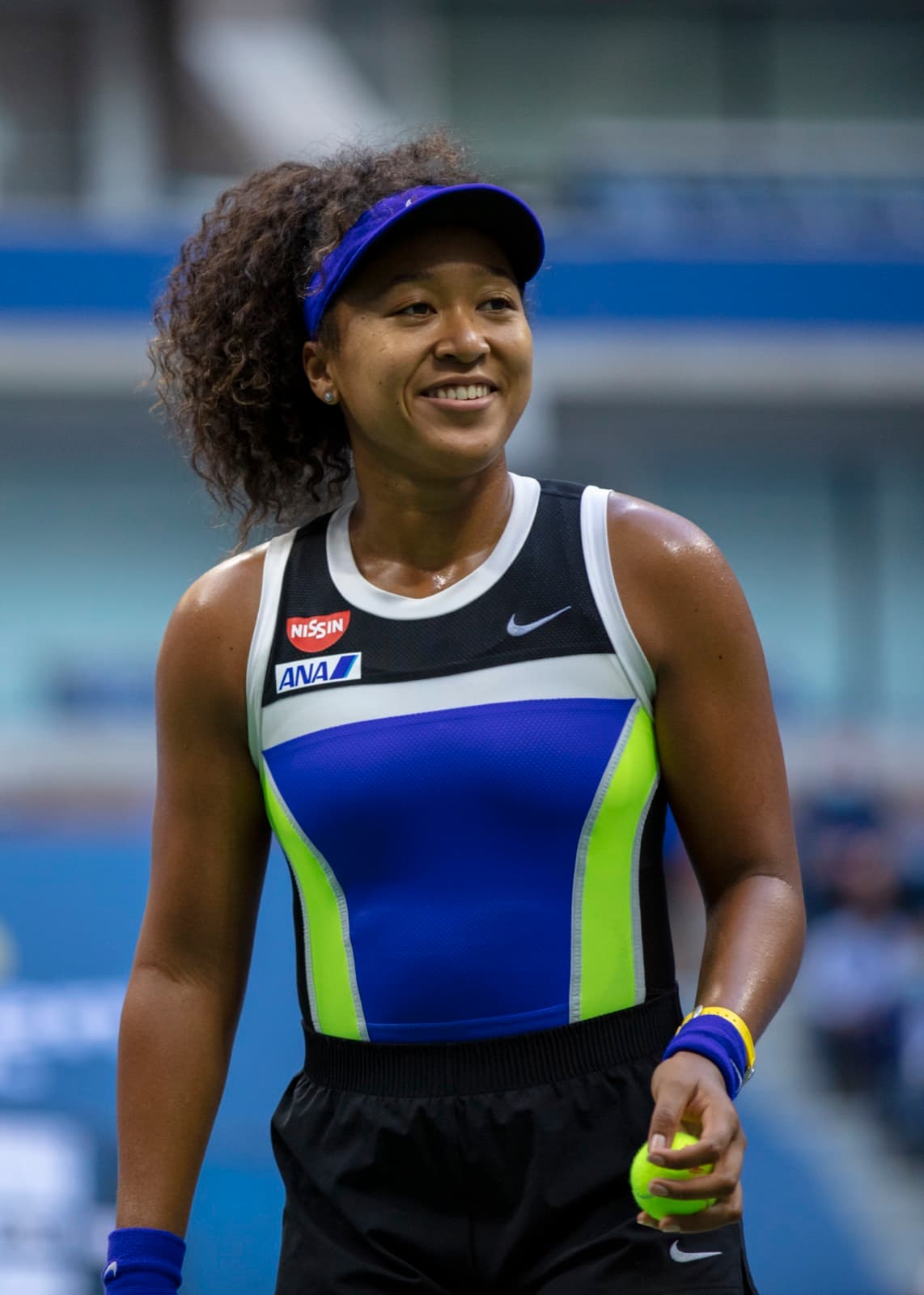
Naomi Osaka in 2020 — athlete brands that outgrew any single tournament or endorsement category.
Photo: AndrewHenkelman / CC BY-SA 4.0
Naomi Osaka’s commercial map in 2020 already looked like a company, not a side hustle: apparel, beauty, finance, and media relationships that outlasted any single Slam run. That is the modern athlete-brand question in one résumé — who captures the upside when performance creates attention and attention creates products?
Traditional endorsements pay fees (and sometimes royalties) for an athlete to promote a brand’s product. The brand usually keeps the marketing system, the product IP, and the customer list. The athlete monetizes fame for a term. That model still funds most deals. The newer fight is over logos, signature lines, and equity: does the athlete own the mark they help build, license it exclusively for a term, or discover later that the company owns the silhouette they sketched on a napkin?
Courts and contracts have answered that question both ways. Kawhi Leonard’s dispute with Nike over the “Klaw” logo underlined how endorsement language and who designed the final artwork can leave the athlete without the trademark when the partnership ends. Conversely, athletes who trademark nicknames and logos before signing — or who negotiate exclusive licenses rather than work-for-hire assignments — keep leverage when they change shoe companies. College NIL accelerated the same instinct: file marks early, treat collectives carefully, and separate personal brand from school marks.
Equity and co-brands flip the cashflow. An athlete takes a smaller upfront check for ownership in a beverage, apparel, or media venture, betting the brand’s exit or dividends beat a pure endorsement fee. Agencies and family offices structure those deals; category exclusivity and moral clauses still bind the athlete’s other sponsorships. Group licensing through players associations covers team-logo merchandise separately from individual deals — another reminder that “the athlete’s brand” is often a stack of rights, not one asset.
Who owns the upside, then? Follow the paper: trademark filings, IP assignment clauses, equity percentage, and what happens at termination. Osaka-scale portfolios win when the athlete’s narrative travels across categories without handing every logo to the highest bidder. The fee is rent. Ownership is the building.