
Why badminton is huge in Asia but still feels niche in North America
Packed arenas and school pathways made badminton a mass sport across Asia. In the U.S. and Canada, the bottleneck is still courts, clubs, and screens.
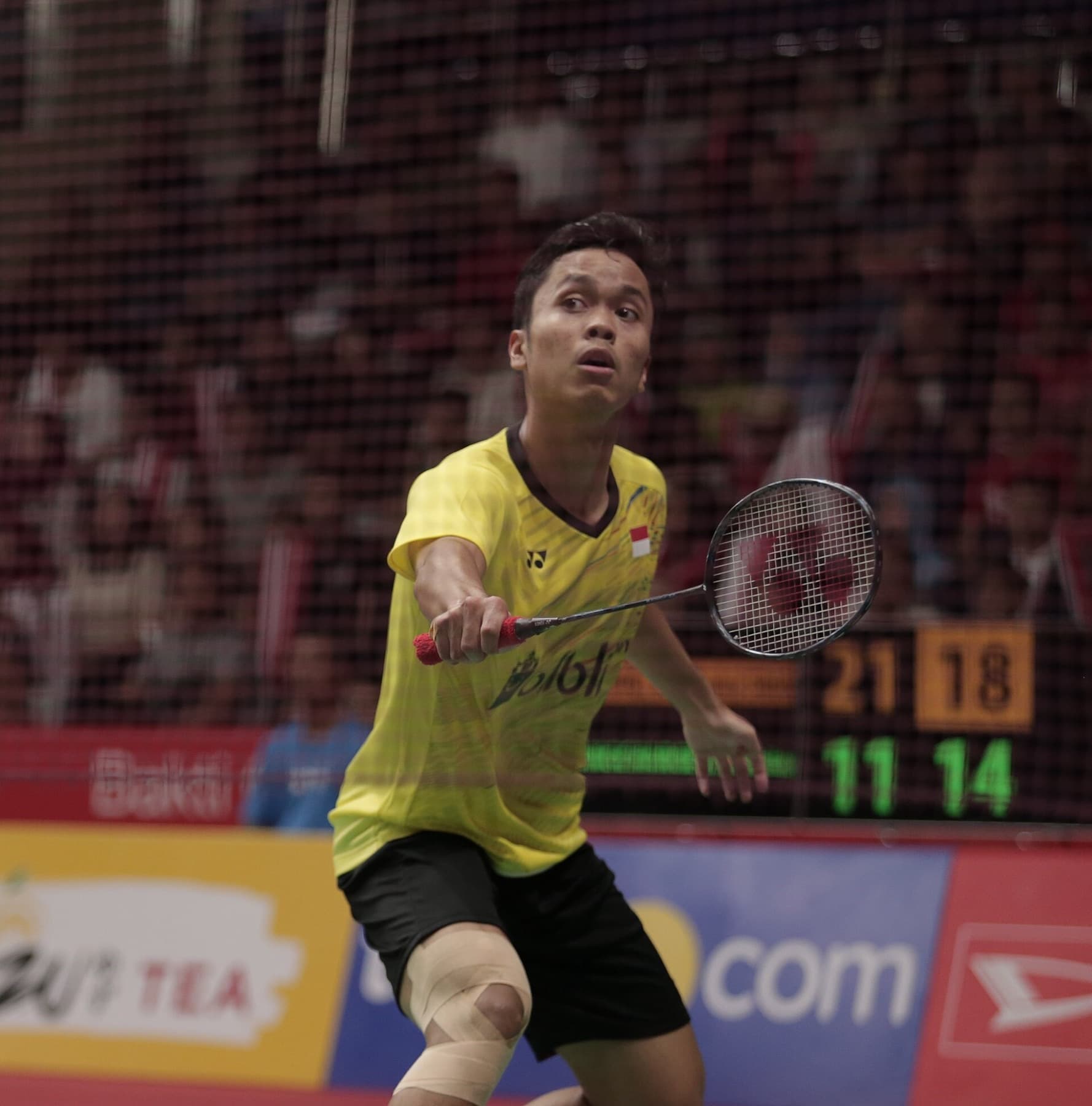
Indonesia’s Anthony Sinisuka Ginting at the 2018 Indonesia Masters. Asian Tour weeks pack arenas and fill local screens — the kind of depth North America still struggles to match off the Olympic calendar.
Photo: Fauzi Ananta / CC BY 4.0
Watch a Super 1000 final in Jakarta or a Thomas Cup night in China and badminton does not look obscure. Arenas fill. Stars are household names. Local broadcasters put the shuttle in prime windows. Fly to a North American city the next week and the same sport often lives in a rented school gym with temporary lines, a weekend open gym, and a stream most casual fans never find.
The gap is practical. Asia built halls, school programs, and national teams, then sold media and sponsorship around them. The United States and Canada mostly skipped that facility step. Badminton stayed passionate where diaspora communities already played it — California, Texas, the Greater Toronto corridor — and thin almost everywhere else.
The Badminton World Federation and its partner Infront put the global fan base near 744 million after years of World Tour growth, with more than 50 broadcast partners across about 160 territories. Federation estimates still count hundreds of millions of regular players, most of them in Asia. China, Indonesia, Korea, Japan, Malaysia, and India treat courts and coaches as public or federation infrastructure. That volume is why the same five or six countries keep filling Olympic podiums.
France shows what a Western market can do when it decides to build. Decades of municipal clubs and federation work produced hundreds of thousands of licensed players. North America never ran that project at scale. USA Badminton’s registered membership still sits in the low thousands. Dedicated commercial centers have opened in the densest Asian American and Asian Canadian metros, but they are private answers to a public shortage.
The building itself fights you. Competitive play wants roughly 30-foot ceilings and stable air. You cannot casually paint pickleball boxes onto a tennis court and call it a badminton boom. When the hall is scarce, the junior pathway and the weeknight habit stay scarce too.
Television follows the same map. Asian linear TV still treats Olympic badminton and home Super 750 weeks as mass viewing; P. V. Sindhu’s Rio final alone drew tens of millions of Indian viewers. In the U.S. and Canada, World Tour weeks usually land on BWF’s own streams or thin specialty windows. The US Open and Canada Open exist on the calendar. They do not yet create the living-room habit that carries a star past the local club circuit.
Money tells the same story. An Se-young’s individual Yonex deal — reported around $7.2 million over four years — makes sense where the audience already lives. Yonex also extended as USA Badminton’s equipment partner through LA28, which helps Team USA kits without inventing primetime demand. Brands that buy badminton in Asia still treat North America as a side bet.
Pickleball and cricket solved different bottlenecks. Pickleball passed 24 million U.S. participants by 2025 in SFIA surveys because the learning curve is gentle and tennis courts convert cheaply. Cricket grew through Willow and diaspora demand, then hosting and Major League Cricket tried to widen the circle. Badminton already has diaspora demand and an Olympic calendar. It still lacks pickleball’s easy courts and cricket’s dedicated North American channel.
Los Angeles 2028 will put badminton at USC and on American Olympic coverage whether the club system is ready or not. What has to move next is quieter: more dedicated courts in metros that already queue for bookings, clearer junior pathways, and a stream people can find without hunting. Until those catch up, Asia will keep producing the sport’s biggest nights — and North America will keep meeting the same game only once every four years.