
Money & Media
How the MLB posting system works
The fee structure, negotiation window, and economics of moving NPB talent to North America.
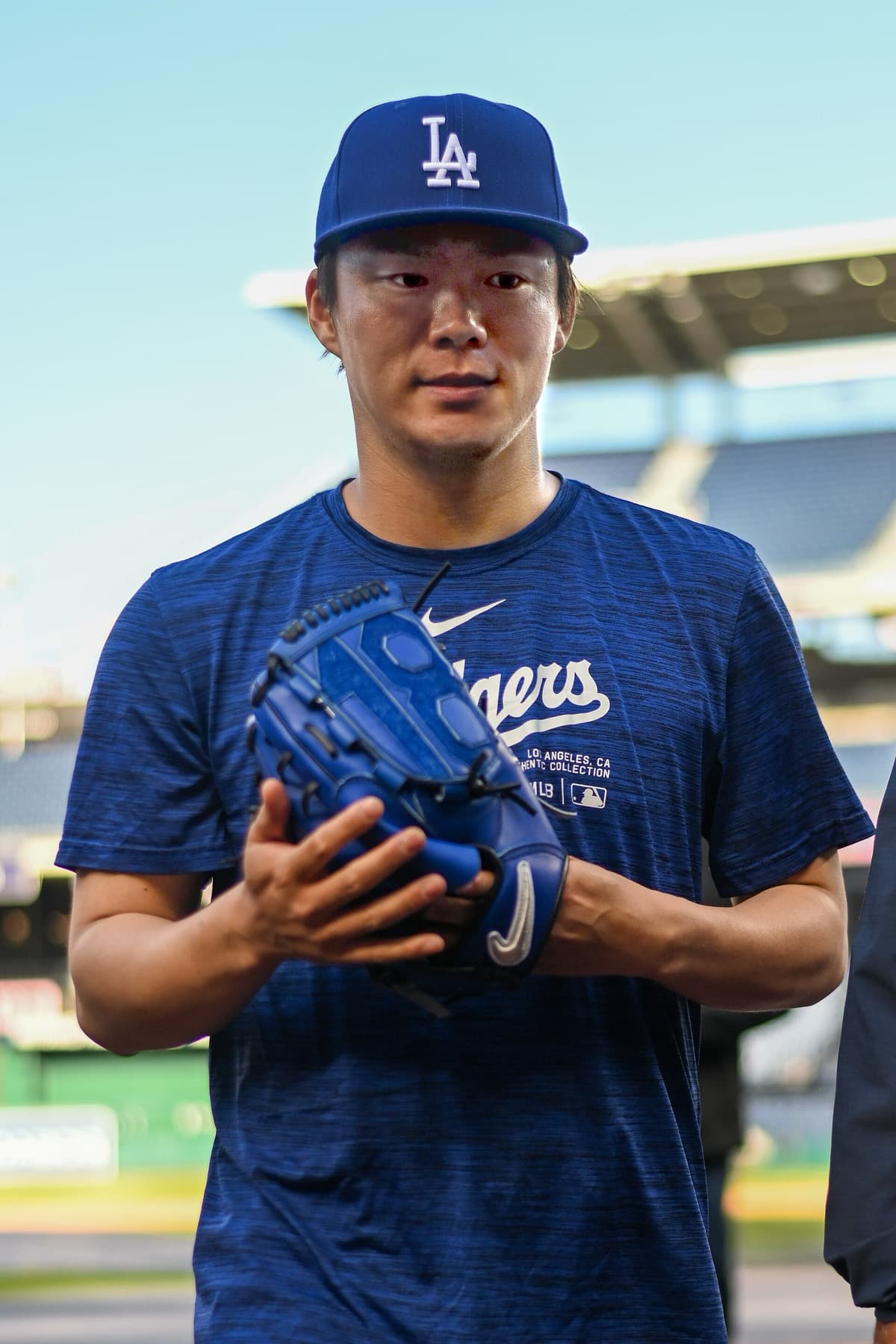
Yoshinobu Yamamoto in Dodgers kit in 2024 — the posting-system payday that reset the market for NPB aces.
Photo: All-Pro Reels / CC BY-SA 2.0
Posting is how NPB clubs get paid when a player leaves before full Japanese free agency. The club and player agree to post; MLB clubs then have a fixed window — currently 45 days — to sign him. Miss the window and he returns to Japan for another season, eligible to try again later.
The release fee is a percentage of the player’s guaranteed MLB contract: 20% of the first $25 million, 17.5% of the next $25 million, and 15% of amounts above $50 million. That formula turns a $60 million deal into a meaningful check for the NPB club without a blind auction for negotiating rights.
ROI for MLB teams is more than the fee. Language support, medical handoffs, and pitching development paths decide whether a posted arm becomes Yamamoto or a cautionary innings dump. Clubs with Japanese infrastructure (Dodgers as the current template) can bid more aggressively because transition risk is lower.
October raises the stakes. A deep Dodgers run featuring Japanese stars is free advertising for the next posting class. NPB clubs see fee upside; MLB clubs see proof of concept; players see a path that no longer requires waiting nine domestic seasons to test the Pacific.