
Training for a 10K on a vegetarian diet? Put iron on the menu.
Endurance athletes and vegetarians sit higher on World Athletics’ iron-risk list. Build the week around plant iron plus vitamin C: chana with tomato, dal with a lemon side, edamame with pepper.
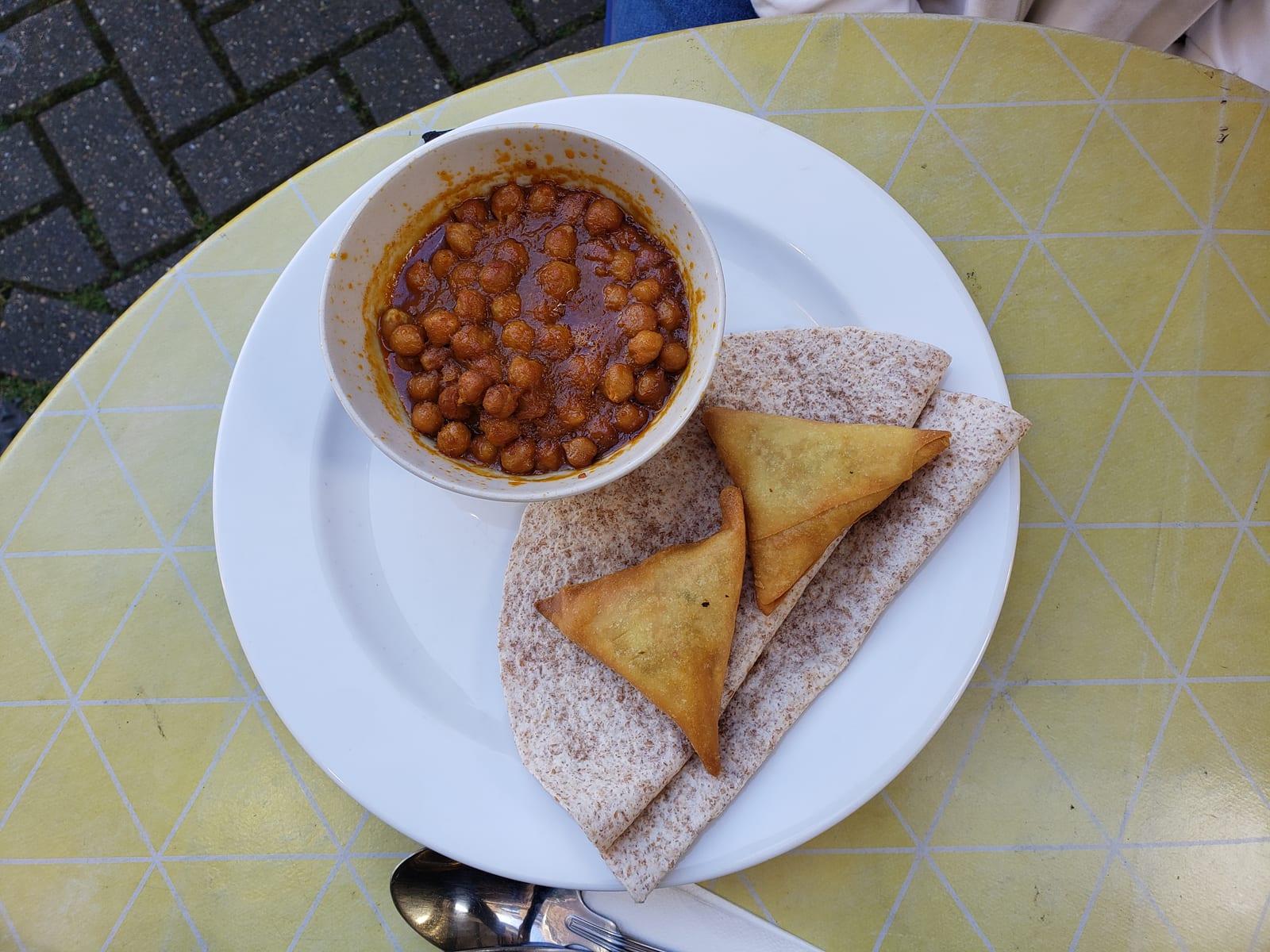
Chana masala in a tomato-based sauce, served with roti. Chickpeas and tomato put plant iron and vitamin C on the same plate.
Photo: Andy Li
A 10K training block asks for mileage, some speed work, and enough food to keep showing up. If dinner is vegetarian most nights, iron belongs on that checklist too. World Athletics’ 2019 nutrition consensus for athletics puts female athletes, endurance athletes, and vegetarians in the same higher-risk group for low iron, and it tells those athletes to get checked regularly. The organization’s Practical Guide to Nutrition is plainer still about unexplained fatigue on a vegetarian plate: talk to a sports physician and a sports nutrition expert before you open a bottle of iron tablets.
Iron earns that attention on a 10K plan because red blood cells carry oxygen to working muscle. When stores run low, easy runs can feel harder than the calendar says they should. Distance runners also shed some iron through sweat, foot-strike hemolysis, and the gut, on top of menstrual losses for many women. A vegetarian plate can still cover the need. It just takes more deliberate cooking, because the iron in beans, lentils, and greens is non-heme iron, which the gut absorbs less readily than the heme iron in meat.
The fix is less about eating a mountain of spinach and more about what shares the plate. World Athletics tells athletes to eat iron-rich foods — legumes, leafy greens, nuts, seeds, fortified cereals — and to raise absorption by pairing plant iron with vitamin C at the same meal. In lab meal studies, usual vitamin C intakes of about 25–75 mg can roughly double to quadruple how much non-heme iron you take in. A medium orange or a generous pile of raw red pepper clears that bar. Lemon on lentils helps. A tomato-heavy chickpea sauce does the same job. Tea and coffee with the meal can pull the other way, so save them for an hour later when iron is the point of dinner.
The daily targets explain why one bowl is never the whole answer. The U.S. recommended dietary allowance for iron is 18 mg a day for women ages 19–50 and 8 mg for men. Vegetarian diets absorb less on average, so the Institute of Medicine’s adjustment is often cited at about 1.8 times those figures — roughly 32 mg for menstruating women eating mostly plants. Hitting that means repeating iron-and-vitamin-C meals across the week, then adding fortified cereal or a second lentil lunch when mileage climbs. World Athletics also warns against routine self-supplementation. Too much iron is its own problem, and pills can hide whatever else is causing the fatigue. Start with food. Get bloodwork if you feel flat.
Chana masala is an easy place to begin, because chickpeas already sit in a tomato sauce. A cup of cooked chickpeas has about 4.7 mg of iron; a half cup still lands near 2.4 mg. Stewed or sauced tomatoes add vitamin C and a little iron of their own. Scoop a real serving of the chana, not a spoonful decorating the rice, and keep rice or roti for the carbohydrate your long run needs. The tomato is doing the absorption work. You do not need a separate “iron smoothie” beside it.
Dal is denser still, as long as the side carries the vitamin C. A cup of cooked lentils has about 6.6 mg of iron; a half cup is about 3.3 mg. Finish the plate with a lemon-dressed salad or a cucumber-tomato side so citrus and fresh produce land in the same sitting. One tablespoon of lemon juice is only a few milligrams of vitamin C, so make that side generous enough that you can taste it. Dal and plain rice alone skip the step that helps the iron land. Leave the chai for later too.
On a short weeknight, an edamame bowl is faster. A cup of shelled edamame brings roughly 2.5–3.5 mg of iron and enough protein for a run day. Top it with raw or lightly cooked bell pepper — half a cup of raw red pepper can deliver well over 100 mg of vitamin C, plenty to help the soy iron land. Add rice after intervals, or keep the bowl as a between-meetings snack. Frozen edamame counts. The pepper is what turns a protein snack into an iron meal.
Rotate those dinners while the 10K plan builds, and reach for fortified breakfast cereal on the heavier weeks when you need a few more milligrams without another pot on the stove. If training feels oddly heavy, or you already know you run low, get iron status checked instead of guessing with supplements. The cooking is familiar. Put the vitamin C next to the beans, and the miles have a better chance of feeling like the work you planned.