
Money & Media
Why UBS is building a padel court beside the Sydney Opera House
A temporary glass court goes up on the Northern Broadwalk for a weekend invitational. The presenting partner is a wealth manager — and that says as much about padel’s commercial pitch as it does about the view.
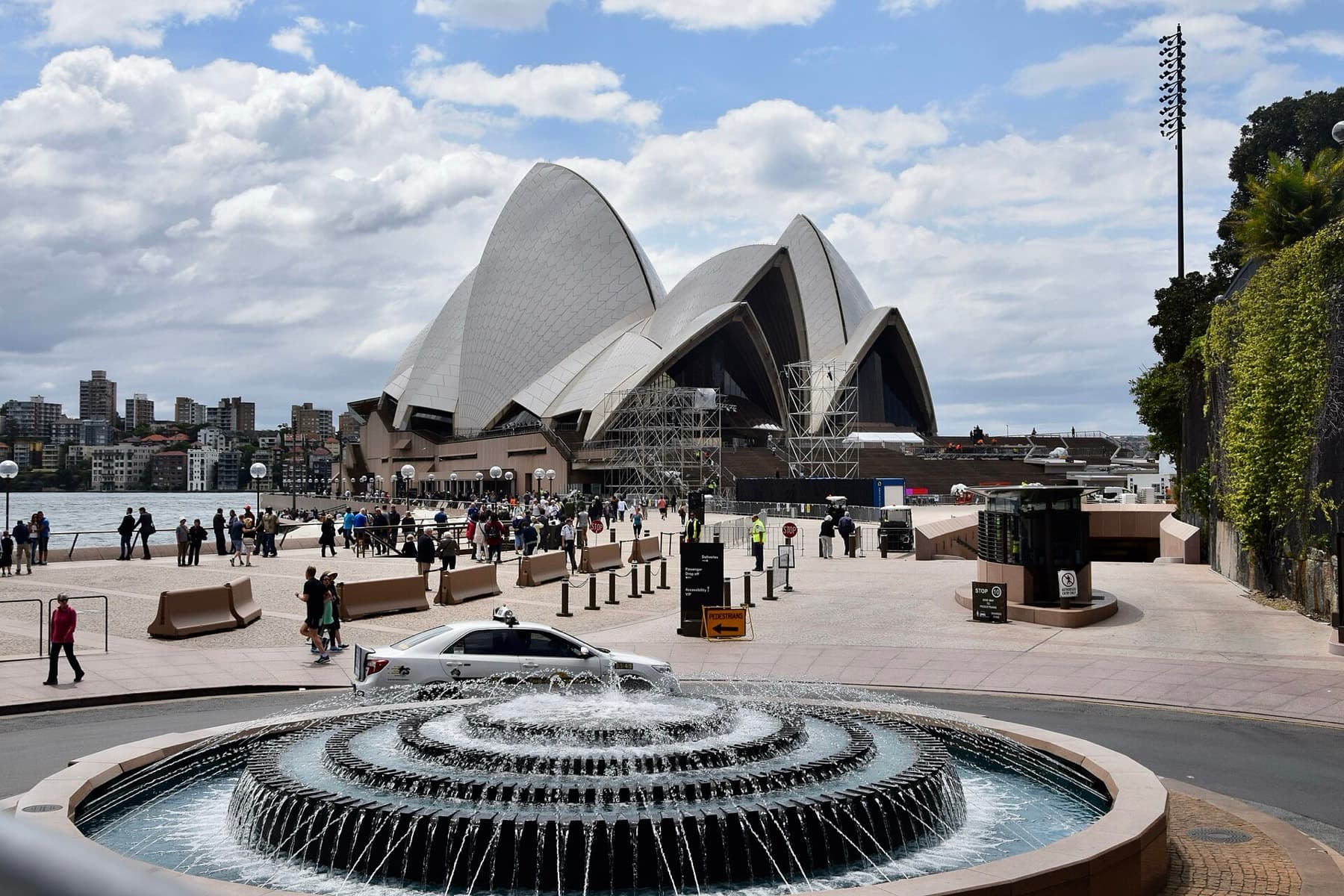
The Sydney Opera House and harbour forecourt at Bennelong Point — the waterfront stage where a temporary padel court will sit on the Northern Broadwalk for the Aug. 15–16 invitational presented by UBS.
Photo: Ank Kumar / CC BY-SA 4.0
On August 15 and 16, a custom-built glass padel court will sit on the Northern Broadwalk of the Sydney Opera House, looking out over the harbour. The weekend is billed as the Padel Invitational presented by UBS — professional showcases, celebrity one-point matches, club finals, and community hits on the same temporary stage. The bank is not underwriting a permanent club. It is buying a postcard for two days.
Padel Australia is delivering the event with Premier Padel, the sport’s global pro tour, and the International Padel Federation. Former tennis champion Pat Rafter and Casey Dellacqua headline the local draw. The visiting field mixes retired greats and active tour names — among them Juan Martín Díaz and Alejandra Salazar — in a format built to photograph as much as it is to crown a weekend winner.
UBS’s Australia wealth-management lead, Andrew Bird, has framed the deal as the next stop in a padel run that already touched Hong Kong, Singapore, Miami, and the Hamptons under the bank’s Craft of Sport series. That is the sponsorship logic in plain English: doubles play that feels social, a crowd that looks like a client list, and an event that fits inside a hospitality tent without needing a stadium lease.
The growth story is real enough for a bank to print. The FIP puts worldwide participation above 38 million players across more than 170 countries and talks about 105 million by 2030 — federation forecasts, not census numbers, but the direction is why premium brands keep showing up. In Australia, Padel Australia has pointed to court counts rising by more than half in a year. The network is still thin compared with tennis clubs or the pickleball courts that can drop onto existing hardcourts overnight.
That infrastructure gap is the commercial difference. Pickleball scales on shared asphalt. Tennis already owns the land. Padel wants a purpose-built glass cage — installers in Australia often quote ballpark figures from the mid-five figures into six figures once slab, lights, and approvals land — plus warehouse or waterfront space that planners do not hand out casually. Growth without courts is just a waitlist.
The Opera House setting is the other half of the sell. A temporary court beside one of the world’s most photographed buildings turns a niche racket sport into a media object clients can stand next to. Tickets start modestly on the House site; the real inventory for UBS is proximity — who gets the rail seats, who plays the celebrity hit, who leaves with a story that is not another golf day.
Whether showcase weekends produce lasting play is the harder question. Community sessions and club finals are meant to convert curiosity into bookings at suburban clubs. Olympic talk around Brisbane 2032 gives the federation a horizon. None of that replaces another dozen courts inland from Circular Quay.
So the bank is not really “building padel” in Sydney. It is staging padel where the city already gathers tourists and cameras, then hoping the pictures pull people toward the scarce permanent courts. If the weekend works, the metric that matters is not harbour foot traffic. It is whether the clubs still need a waitlist in September.